
The Fastest Way to Help Your Child Become a Better Shooter
More games and more time at the court won't automatically build a better shooter. Here's what actually moves the needle for junior development.
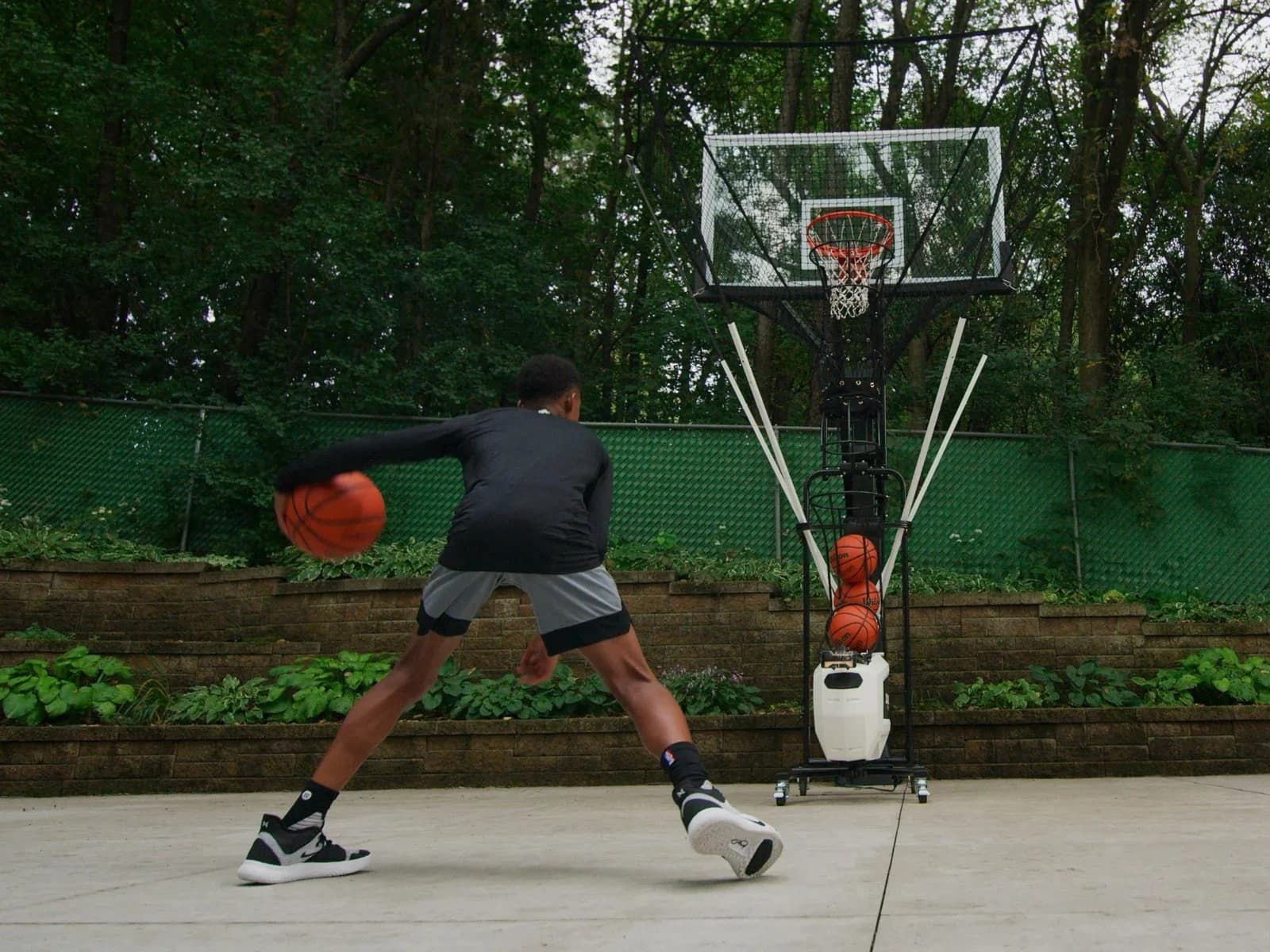
Every parent of a young basketball player wants to know the same thing, what's the fastest way to actually help my kid become a better shooter? The honest answer is that it's not about more games, more scrimmages, or more hours at the court. Improvement comes from intentional repetition, sound mechanics, and consistent feedback. Without those three things, time spent shooting doesn't necessarily turn into a better shooter.
Start With the Right Foundation
Before chasing advanced drills or step-back threes, your child needs a solid base, balance, proper hand placement, controlled release. Encourage them to focus on the fundamentals every session. Are their feet square? Is the ball coming off the same fingers every time? Is the follow-through consistent?
Strong fundamentals don't sound exciting, but they're the difference between a player who shoots well in practice and a player who shoots well in games.
Repetition With Purpose
Random shooting without structure leads to slow improvement. Quality reps with clear intentions lead to fast improvement. A 30-minute session with structure will out-perform a 90-minute session of "just getting shots up."
The simplest version of this, pick one thing to focus on (footwork, balance, follow-through), and make every rep about that one thing for 10 minutes. Then move to the next focus.
Train at Game Speed
Practice should match the pace of games. The reason kids shoot well in practice and miss in games isn't talent, it's that practice didn't replicate the urgency, the movement, or the fatigue. Build that into your child's sessions. Sprint to the spot. Catch off a real pass. Shoot when tired.
Make practice challenging enough that games feel easier by comparison.
Create a Simple Routine
Structure accelerates improvement. A simple weekly rhythm might look like:
- Form shooting close to the basket, 10 minutes
- Mid-range with movement, 15 minutes
- Game-like reps and situational drills, 15 minutes
Consistency in routine helps your child track progress and builds the habit of focused training.
Build Confidence Through Small Wins
Confidence directly impacts shooting consistency. Setting achievable session goals, "make 5 in a row from the right wing", gives your child small, repeatable wins. Reinforce what they're doing well. Pointing out a strong follow-through goes further than pointing out a missed shot.
Use Tools That Maximise Reps
Chasing rebounds is the silent killer of junior development. Every minute spent walking after the ball is a minute not spent shooting. The right tools, a return system like the iC3 Shot Trainer, or a Dr. Dish Home for the driveway, turn 30 minutes of shooting into a focused, high-rep block. Same time. Three times the reps.
Encourage Consistency Over Perfection
Improvement comes from showing up, not from perfect sessions. Teach your child that the goal is to do the work even on days when shots aren't falling. The players who get the best are the players who train through the bad days, not just the easy ones.
Create the Right Environment
Encourage your child to own their development. Help them set goals. Help them track progress. Their motivation will rise sharply once they feel that the training is theirs, not yours.
The Fastest Path Forward
There's no shortcut. But there is a fastest path, strong foundations, quality repetition, game-speed training, consistent routine, supported by the right tools and the right encouragement at home. That's how you actually help your child become a better shooter, faster than just sending them to more games will ever do.