
How to Set Up Your Training Session
A great session starts before you take the first shot. Here's how to set the standard, control the pace and finish with intention.
Don't Just Train, Set the Standard First
Before taking your first shot, your session has already started, mentally. The way you approach training determines your results. Walking in without a plan means you'll get shots up, but you won't maximise your time. With intention, each rep starts to carry more value, and casual practice transforms into real development.
Decide the Level You're Showing Up With
Every session has a tone you set. You have to choose whether you're passing time or improving. That choice affects your effort, your discipline, and your attention to detail. A shorter session with purpose can be more productive than aimless extended training.
Set Boundaries for Your Session
One common mistake is letting sessions run without direction. Instead, establish how long you'll train, what you'll focus on, and what success looks like, before you start. When you know what you are trying to accomplish, it becomes easier to stay locked in.
A simple framework: how long, what focus, what success looks like. Decide that before the first dribble.
Create Game-Like Conditions
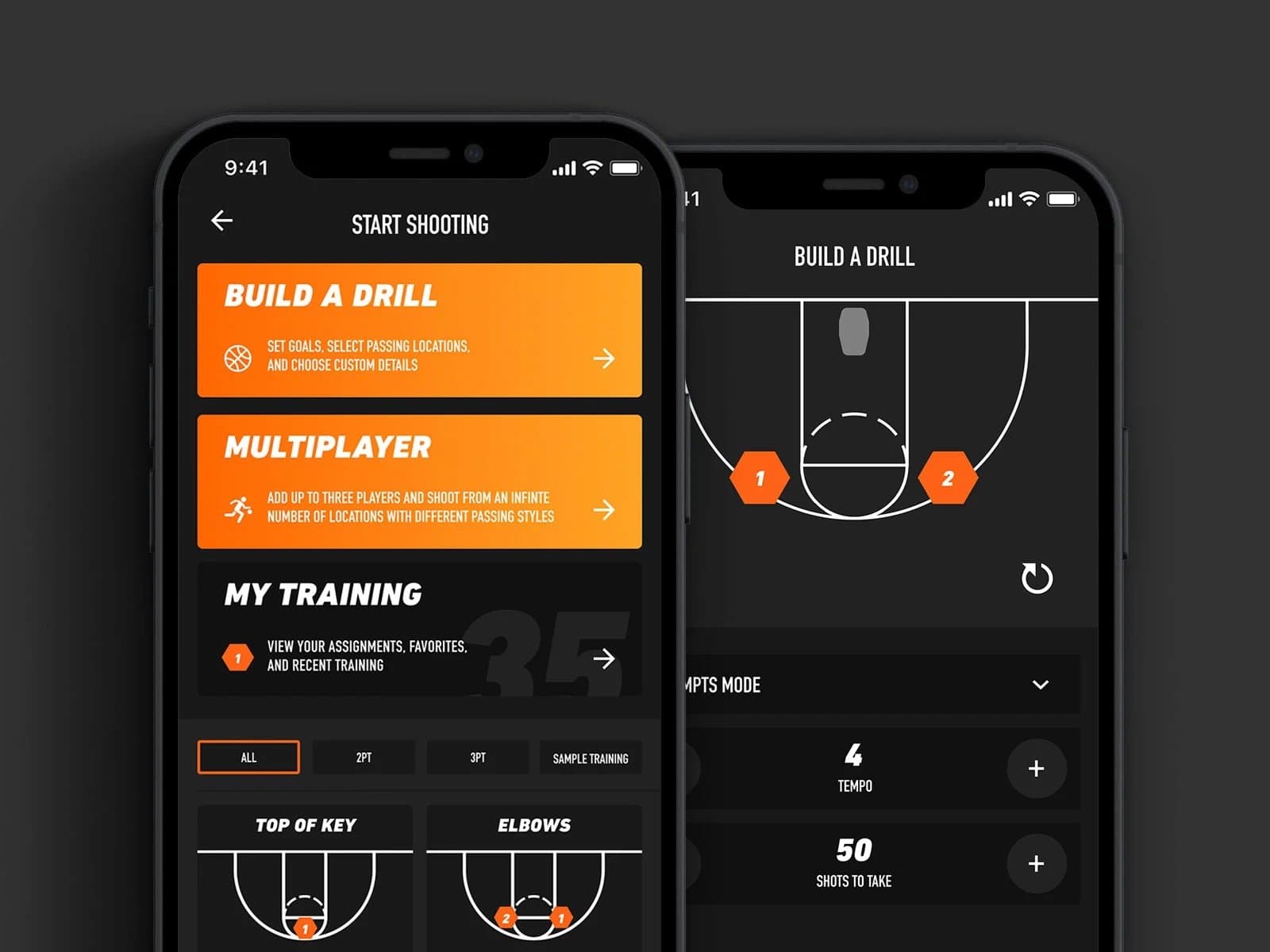
Training is most effective when it's closest to real game situations. It's about movement quality, reset speed, and engagement level. A Dr. Dish machine helps with this, consistent rhythm, extended flow periods, no breaks for chasing the ball. But you still need to stay focused. Comfort is the enemy of growth.
Control the Pace of Your Training
Pace significantly impacts effectiveness. Too slow and you lose intensity. Too rushed and you compromise form. Find a steady rhythm with consistent movement and focus. Smooth transitions between reps maintain momentum and efficiency.
Be Honest With Your Effort
You always know when you're fully locked in and when you're not. Recognising the difference between focused reps and going through the motions determines real progress. Discipline matters most when sessions become repetitive or tiring, that's when honest effort separates the players who improve from the ones who plateau.
Make Adjustments in Real Time
When something feels off, adjust rather than ignore it. Slow down. Return to fundamentals. Refocus. Training isn't about pushing through, it's about recognising what needs changing and making those adjustments mid-session.
Finish Your Session With Purpose
Sessions often fade instead of finishing strong. Decide ahead of time how you'll end. Maybe it's hitting consecutive shots from a specific spot. Maybe it's completing a final focused set. Finishing with intention gives your session a sense of completion and builds the habit of closing strong.
Carry It Into Your Next Session
Each session should connect to the next. Reflect briefly afterwards on one or two key takeaways, what worked, what needs more attention. That short reflection guides your next training and keeps momentum moving forward.
Make Every Session Count
Your training doesn't need to be perfect, but it does need to be intentional. Show up purposefully, stay consistent, and focus on real improvement with each rep. That's the difference between getting reps and getting better.